The death of King Oyo Nyimba Kabamba Iguru IV has triggered a series of traditional rites in the Tooro Kingdom, including the symbolic closure of the royal seat, a nine-day vigil and the search for his successor.
The rites are intended to safeguard the throne during the period without a reigning monarch and prepare the kingdom for the eventual installation of a new King.
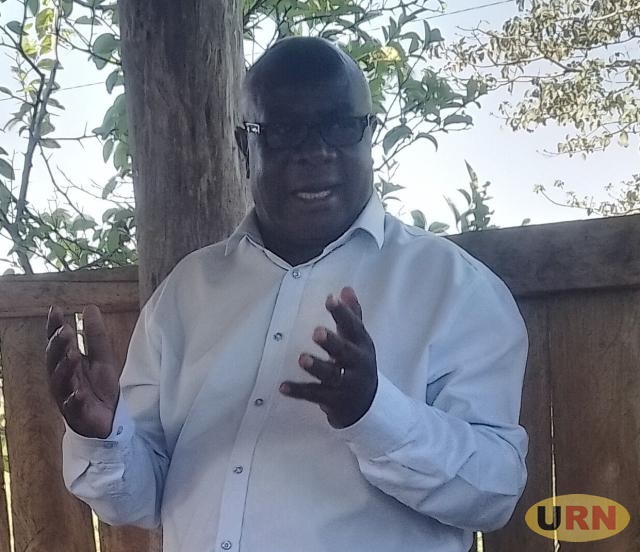
According to David Baguma, the official in charge of cultural rituals, known as Omujaguzi y’Omukama, the death of a King is initially treated as a secret within the highest ranks of the kingdom until the appropriate time for a public announcement.
Once the decision is made to announce the death, the head of the Babiito clan informs the Omujaguzi, who proceeds to a royal hill, a privilege traditionally reserved for Omusiita by clan, to deliver the news to the Tooro community.
The announcement is accompanied by a ceremonial alarm sounded by an Omubwijo, who then spreads the news across the kingdom.
The announcer is traditionally chased down the hill as a symbolic expression of grief over the death of the King. Following the announcement, the royal drums, known as Engoma, are turned upside down while the royal regalia and other symbols of the monarch’s authority are locked away or suspended to signify the absence of a reigning King.
During the nine days, the Babiito clan, working with kingdom chiefs, begins the process of identifying a successor, preferably from among the biological children of the deceased King.
In cases where there is no suitable heir, a successor may be identified from the wider Babiito clan through a ceremonial mock battle, which has replaced the traditional physical contest that historically determined succession.
Where an heir is identified, the clan head is informed and the succession process proceeds. Once the successor has been identified, the Omujaguzi is notified and leads the Abasiita in turning the royal drums upright, symbolising the return of a reigning monarch.
The burial of the King also involves a series of rituals. The Omusuna, who is responsible for specific royal rituals, guides the new King or heir to the grave, known as Iziba, where he casts nine coffee berries before being handed over to the Omujaguzi as the new monarch.
Baguma said this ritual also marks the last time the new King is expected to view a dead body or attend a burial ceremony. Apart from the King casting the coffee berries into the grave, access to the burial site and participation in the burial rites are restricted to a select few in accordance with Tooro customs. The succession rituals for the King differ from those followed when an ordinary head of a family dies. In a traditional Tooro family, mourning lasts four days, after which a select committee headed by a clan head announces the heir.
Following the death of the King, a mock King known as Omuragwa Ngoma is also installed temporarily to safeguard the royal seat. Once the successor is identified and installed, the Omuragwa Ngoma is chased from the palace, symbolising the return of the legitimate King. However, the funeral and succession rites for King Oyo are expected to incorporate some modern adaptations because he died while receiving medical treatment abroad.
Baguma said Oyo will be the first Tooro King to die outside the Kingdom, meaning some aspects of the traditional handling of the King’s body cannot be followed in their original form. Instead of being transported back through traditional means, the body will be flown back by aircraft.
The body will also be taken to church for a special service, while daily ecumenical prayers are expected to form part of the nine-day mourning period, reflecting the integration of Christian practices with Tooro cultural traditions. Baguma said the changes do not undermine the core cultural rituals, which remain central to the mourning and succession process.
Unlike earlier traditions in which deceased Kings were buried wrapped in bark cloth, modern Tooro Kings are buried in coffins. After the burial, the successor is officially installed, although Baguma said the installation may take several days depending on the circumstances prevailing at the time.
The Babiito clan remains the reigning clan with overall authority over the process of identifying and selecting the next King. Richard Rwabuhinga, the chairperson of the local organising committee, said funeral rites for King Oyo commenced on Friday under the stewardship of Omusuga Charles Kamurasi and the kingdom’s ritualists.Baguma, who is serving as Omujaguzi, keeps a replica royal drum at his home, which he will sound once he receives official communication that a new King has been selected to reign