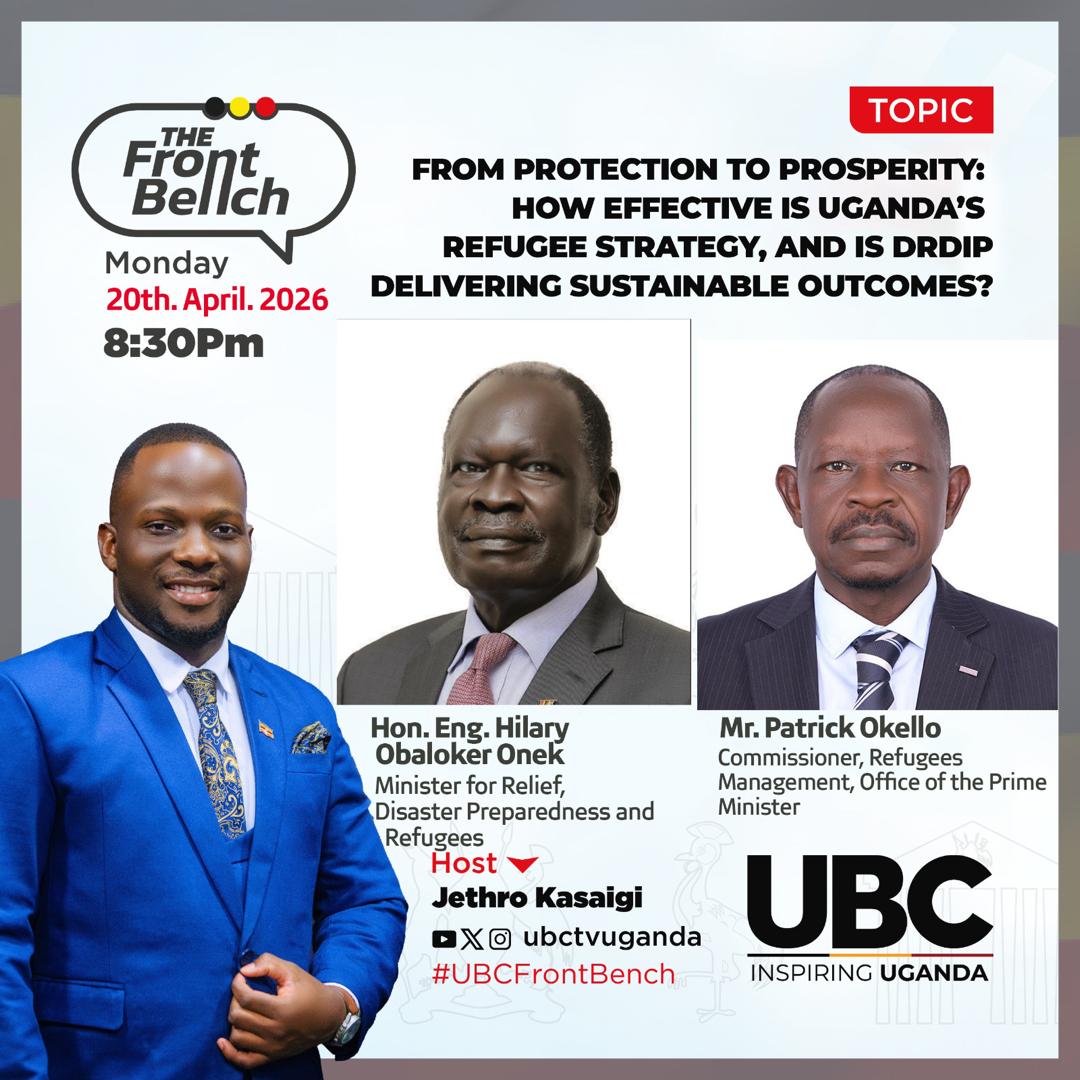
The Government of Uganda, through the Office of the Prime Minister (OPM), continues to manage one of the world’s most progressive refugee policies, hosting over 1.9 million refugees and asylum seekers, primarily from South Sudan and the Democratic Republic of Congo.
. Despite significant funding shortages, the government maintains an inclusive model that prioritizes integration, self-reliance, and shared services for both refugees and host communities.
The OPM Department of Refugees provides biometric registration, issuing refugee ID cards, attestation forms, and travel documents.
Uganda allocates plots of land to refugees within settlements for residential use and small-scale agriculture, promoting self-sufficiency. Refugees are also granted the right to work, establish businesses, and move freely, aiding their integration into the local economy.
However , despite the progress being made by Uganda in the area of refugee hosting , man refugees still face significant challenges despite the country’s progressive policies, including severe underfunding of aid, limited livelihood opportunities, and competition for scarce resources like land and firewood.
Major obstacles include poor infrastructure in settlements, reduced food rations, limited access to quality education, and high unemployment, particularly for women and urban refugees.
High poverty levels and limited employment opportunities prevent self-reliance, with many relying on dwindling aid. Refugees, particularly in urban areas, struggle to access formal banking due to lack of documentation.
High demand for resources in host communities leads to competition for water, land for cultivation, and firewood.